Social Groups & Clubs for Active Senior Living: How They Build Meaningful Connections
Last Updated: September 18, 2026
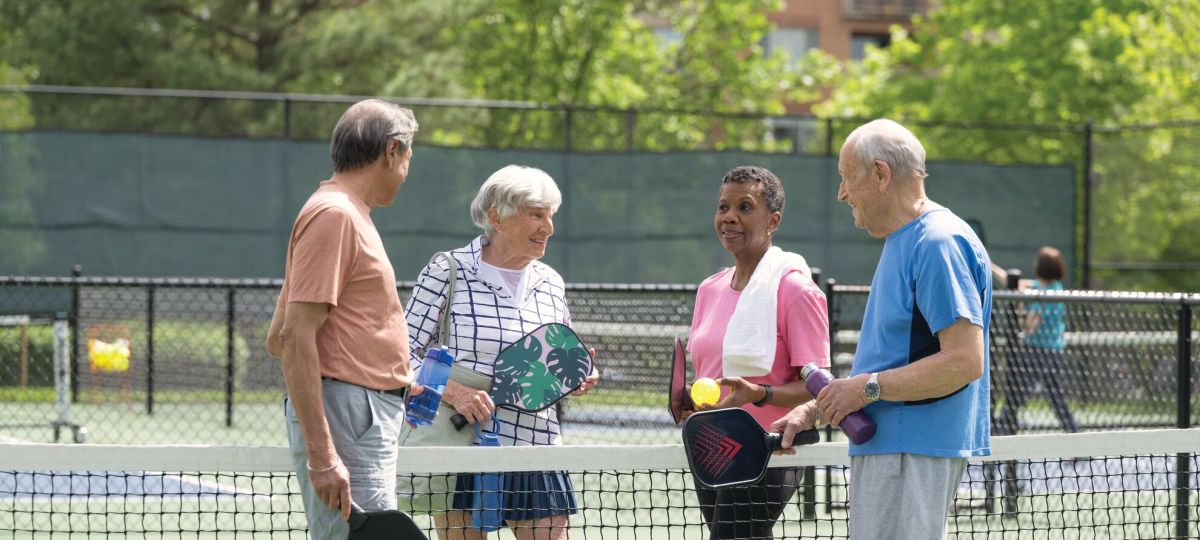
As we age, staying connected and engaged continues to play an important role in overall well-being. Retirement often brings more flexibility and time, creating space to explore interests, meet new people, form lasting social connections, and become more involved in the community. Many older adults and seniors want a deeper connection with their community, but often feel unsure of where or how to begin building new, lasting relationships.
A great way to begin is with a senior social group. You can find these at community centers, senior day programs, and continuing care retirement communities (CCRCs). These clubs and community groups offer opportunities to share group activities, learn new things, and develop meaningful relationships. Groups and clubs for seniors are an effective way to combat loneliness among seniors. Whether centered around hobbies, fitness, education, or volunteering, these senior social clubs make it easier to meet others with similar interests.
Senior social groups can be especially valuable for those who are newly retired, recently relocated, widowed, or simply looking to expand their circle. They offer structure, consistency, and a sense of belonging while supporting an active, engaged lifestyle in the years ahead.
There are many kinds of senior social groups and clubs to entice every interest. The wide variety of senior social groups and clubs offers many formats and topics and supports several kinds of connections that a senior may need to thrive.
Hobbies that we enjoy can sometimes fall by the wayside as life gets busy. One way to reconnect with an old interest or discover a new one is through a senior social group. Clubs for seniors—like book clubs, gardening groups, art classes, music ensembles, and game nights—offer a great way to connect with others over shared passions. Many of these groups are available at CCRCs and are ideal for building friendships through enjoyable, low-pressure activities that facilitate social interaction.
Staying physically active is a big priority for many older adults, and senior social groups are a great way to start and maintain regular exercise while building relationships. Social clubs for seniors, senior centers, and CCRCs all offer activities such as walking groups, yoga classes, dance groups, water aerobics, and wellness workshops—not only supporting physical health and mental well-being but also helping establish healthy routines and creating opportunities to strengthen social bonds.
For those who enjoy continued growth and exploration, learning-based groups provide both stimulation and connection. Discussion circles, guest lectures, language classes, and technology workshops encourage participants to exchange ideas and perspectives. These senior social clubs appeal to lifelong learners who enjoy shared discovery and intellectual engagement.
Older adults are often looking for ways to contribute their time and experience in purposeful ways. Many CCRCs and senior-focused programs prioritize engaging in their wider community, supporting a local cause, participating in outreach efforts, or gathering around shared values. Working alongside others toward something larger often fosters a sense of community and strong, lasting relationships grounded in common purpose.
Senior social groups are especially effective at building connections and helping residents reap the benefits of socialization regularly. They provide structure, consistency, and shared experiences. Unlike casual or spontaneous encounters, structured senior social clubs create predictable environments specifically designed to help older adults meet like-minded peers and stay socially engaged. This fosters emotional safety, making it easier for seniors to open up, participate, and form organic, meaningful relationships.
Built-in conversation topics and repeated interactions help relationships grow naturally in senior social groups. Shared activities and special interests provide easy starting points for discussion and reduce social pressure and awkwardness.
Senior social clubs and groups for seniors create the ideal environment for natural relationship growth. Seniors become more familiar and comfortable with one another, fostering companionship and connections.
Scheduled meetings in senior social clubs make social engagement consistent and sustainable. This provides seniors with regular opportunities to connect, build routines, learn new skills, and maintain meaningful relationships over time. This also gives participants something to look forward to and structure their week around.
Senior living communities near you can provide an environment that naturally encourages connection and offers the space, structure, and support seniors need to engage socially. By design, these communities make it easier for residents to join senior social clubs and groups, form friendships, and feel a sense of belonging at every stage of life.
Senior living communities like those managed by Erickson Senior Living support social participation through thoughtful design. These communities have dedicated on-site gathering spaces, walkable layouts, accessible programming, and a community of seniors all sharing a stage of life. If you’re wondering when to move to a retirement community, these opportunities for daily social interaction and meaningful connections may be incentive enough:
Getting started with senior social clubs is easier with a plan to find the right one. This ensures the process is easy, fun, and enjoyable rather than stressful. Exploring different senior social groups before committing to them allows seniors to find the best fit for their interests and lifestyle. Here are a few easy tips to find the right senior social club:
Senior social groups and clubs offer a simple and enjoyable way for seniors to build meaningful connections without having to rely on building new relationships with strangers. Combining shared interests with structured activities makes engagement easy, lasting, and sustainable.
When choosing a senior living community, it's important to consider one that focuses on senior social groups. The benefits of clubs for seniors are significantly amplified when senior social groups and clubs are paired with supportive senior living communities like Erickson Senior Living-managed communities with independent living amenities.
Seniors don’t just enjoy clubs, classes, and independent living activities led by fellow residents; they also have access to maintenance-free living, on-site spaces, accessible programming, and a supportive environment that removes the barriers of anxiety and makes participation effortless.
Though senior loneliness and social isolation are growing issues, taking a few active steps to engage can make feelings of isolation a thing of the past and improve overall quality of life.
To experience these opportunities for easy social engagement and combat senior loneliness firsthand, request an Erickson Senior Living tour or brochure. Discover a senior living community near you where connection, friendship, and an active social life are waiting.
Works Cited
National Institute on Aging. Loneliness and Social Isolation — Tips for Staying Connected. National Institutes of Health (NIH). https://www.nia.nih.gov/health/loneliness-and-social-isolation/loneliness-and-social-isolation-tips-staying-connected
Centers for Disease Control and Prevention. Social Connection. Centers for Disease Control and Prevention (CDC). https://www.cdc.gov/social-connectedness/about/index.html