Active Adult vs. Independent Living: What's the Difference?
Last Updated: October 7, 2026
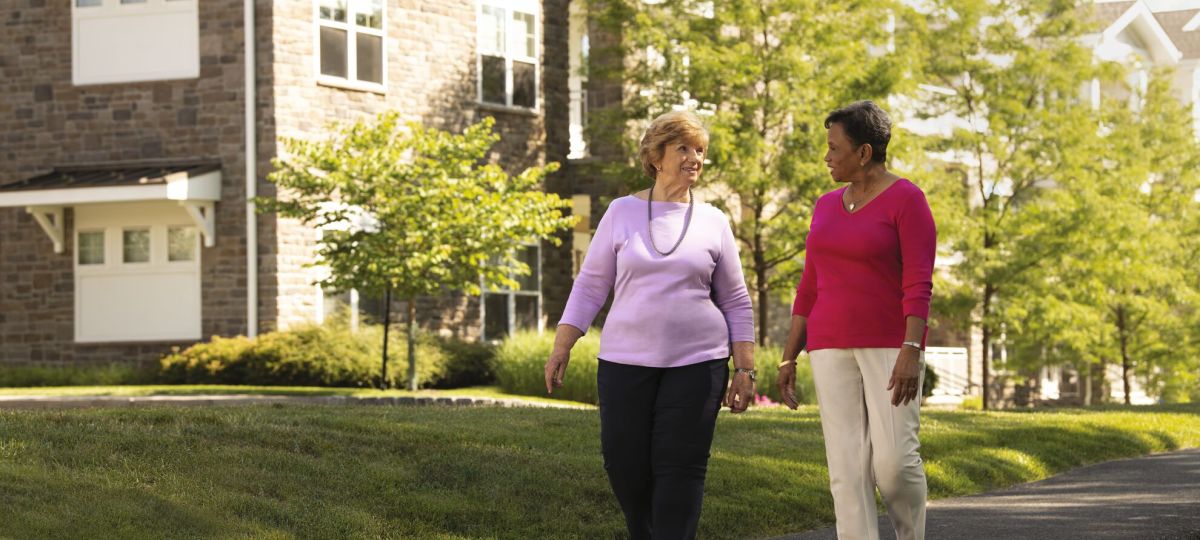
Staying connected to others and nurturing a sense of community becomes even more important as we age. To maintain a sense of connection while still embracing independence, many older adults explore senior living communities. This includes active adult neighborhoods and continuing care retirement communities, or CCRCs.
While both options encourage vibrant lifestyles, the services, amenities, and overall experiences they provide can differ significantly. Understanding the differences between active adult vs. independent living communities can help you determine which one best fits your lifestyle.
An active adult community, curated for those aged 55 and older, is designed for adults who want to stay fully independent and maintain an active social lifestyle.
These neighborhoods typically include:
Residents can either purchase or lease their homes, depending on the community. What sets these neighborhoods apart is their focus on convenience and connection—common areas, landscaping, and lawn care are typically maintained by the community, freeing residents from everyday upkeep while still allowing them to live independently.
Common amenities may include:
Residents often enjoy access to social clubs, neighborhood events, and hobby groups that encourage a strong sense of community and active living.
While active adult communities promote social engagement and wellness, they do not include the same level of support or services found in independent living communities. Residents live entirely on their own—without onsite staff offering complete in-home maintenance, dining services, transportation, or fitness instruction. In short, life in an active adult community resembles life in any other neighborhood, but with more opportunities to connect and fewer outdoor maintenance responsibilities.
For adults seeking similar independence but with added conveniences and built-in services, an independent living community may be the next step.
So, what is an independent living community, and how does it differ from an active adult community? An independent living community is a senior living option that gives seniors convenient access to amenities and opportunities for social connection.
Communities managed by Erickson Senior Living are designed for older adults who want to maintain their independence while enjoying the peace of mind that comes from having many everyday conveniences built into the community.
That said, independent living is not the same as assisted living or skilled nursing.
Rather, residents maintain full independence and manage their daily lives while also enjoying the convenience of:
Independent living communities also make vacationing or spending time with family easy, as you know your home is cared for and secure anytime you’re away. Other built-in benefits often include:
The appeal lies in the balance, community, and structure. You can maintain your independence and spend life the way you want it—without the responsibilities of cooking, cleaning, and repairs. It’s the perfect way to enjoy a stress-free retirement with all the resources and amenities you need.
What sets independent living apart from active adult neighborhoods is the breadth of services included. Though amenities vary from community to community, residents can typically expect:
You can expect resort-style amenities from the comfort of your own home. This built-in convenience helps reduce stress associated with daily logistics while fostering connection and a sense of purpose.
Residents living in independent communities are often 60 years old or older, though many move in earlier to fully take advantage of the amenities and community. Residents remain fully active and manage their own routines.
Some are single, while others are widowed and seeking companionship, learning, and support. Many couples also choose independent living communities to simplify their lives, travel to their grandchildren more easily, or simply escape the burdens of daily homeownership, such as pesky maintenance and repairs.
For many, the decision is as much about emotional well-being as it is about logistics. Independent living eliminates the worries that come with living alone—such as loneliness, inactivity, or medical emergencies—as well as the stress of home upkeep and maintenance.
Both active adult and independent living communities are designed to support dynamic, engaging, and independent lifestyles. However, their approaches differ in a few ways:
Ultimately, the main distinction between active adult vs. independent living communities comes down to structure and support. Active adult communities provide the framework for a social neighborhood, while independent living communities provide both the environment and the built-in services to make life simpler and more engaging.
So, how do you choose a senior living community that’s right for you? Choosing between active adult vs. independent living communities is not just about where you live—it's about how you want to live. Both support independence, but the experience of daily life is very different.
With this in mind, you can determine the right choice for you by reflecting on your personal goals, your health, and the lifestyle that feels most fulfilling. To guide your decision, use this checklist to ask yourself the following:
If you enjoy managing daily details and simply want to downsize into a like-minded community, an active adult neighborhood might be the right choice.
If you're seeking more convenience, worry-free living, and a full suite of amenities while maintaining your independence, independent living could be the better fit. Many seniors find that independent living provides not only comfort today but also continuity for the future. This is because most independent living communities offer access to additional levels of care if needed down the road, such as on-site continuing care. These continuing care retirement communities (CCRC) provide more assistance with day-to-day tasks as well as full assisted care, depending on the resident’s level of need.
If you’re still unsure which option is right for you, consider speaking with a senior living advisor or touring a local community.
All that said, both options offer community, and it's incredibly important to foster that type of socialization for seniors as we age.
Research from the CDC highlights that healthy aging isn't just about avoiding disease—it also relies on maintaining mental health and engaging in ongoing social activities. As people live longer, social isolation and the loss of community can increase risks for cognitive decline, depression, and even physical health problems.
Moreover, about one-third of adults over 65 live alone, which can exacerbate these challenges, especially as daily activities become more demanding.
By staying connected—whether through friendships, group activities, or supportive communities—older adults can:
Fortunately, living options such as active adult and independent living communities provide an easy way to cultivate these connections.
Both active adult and independent living communities share a focus on independence, but the lifestyle they provide can feel quite different. Active adult neighborhoods are ideal for those seeking maximum freedom and minimal services, while independent living communities, like those managed by Erickson Senior Living, offer added convenience, dining, and on-site support. The best choice between active adult vs. independent living depends on what feels right for your lifestyle and priorities.
Whatever you decide, the most important step is to explore your options in person. Touring a senior living community near you, meeting residents, and experiencing the amenities firsthand can help you understand what each environment is like on a day-to-day basis.
Erickson Senior Living believes retirement should be worry-free, full of opportunity, and shaped by your vision for the next chapters of your life. Request a brochure or schedule a visit to one of Erickson Senior Living’s local communities today to learn more.
Aleena Reyes is a copywriter at Erickson Senior Living with over 10 years of experience as a teacher and a writer, including many years writing influential and helpful information about senior living, life in a continuing care retirement community (CCRC), and independent living insights. Aleena enjoys writing about healthy aging, retirement lifestyle, and senior wellness to help seniors and their families make informed decisions.
Sources
Journal of Aging and Social Policy. The Importance of Social Connectedness in Building Age-Friendly Communities. https://pmc.ncbi.nlm.nih.gov/articles/PMC3227400/
U.S. Department of Health and Human Services. CDC Grand Rounds: Promoting Well-Being and Independence in Older Adults. https://www.cdc.gov/mmwr/volumes/67/wr/mm6737a4.htm