Benefits of Socialization for Seniors
Last Updated: October 7, 2026
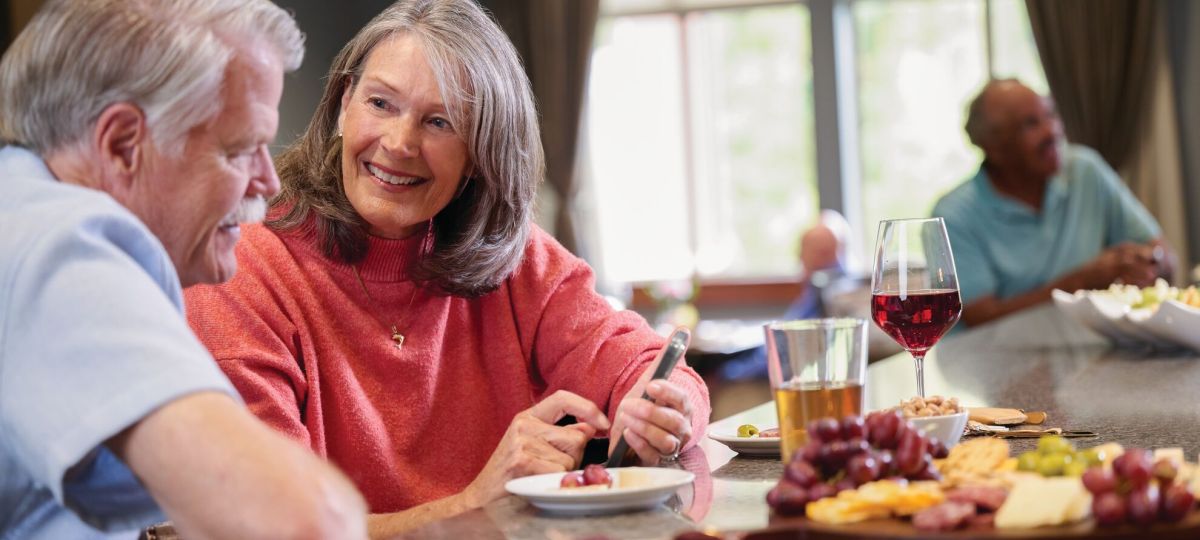
The benefits of socialization for seniors can have a lasting impact on health and happiness. Older adults who stay socially engaged often enjoy greater emotional well-being, a stronger sense of purpose, and an enhanced quality of life. That's why maintaining meaningful social connections is such an important part of healthy aging.
At Erickson Senior Living, fostering social connection for seniors is part of everyday life. From shared meals and community events to clubs, classes, and volunteer opportunities, residents have countless ways to build relationships and stay engaged.
Beyond a maintenance-free home, an independent living community offers a vibrant environment where friendships flourish, and meaningful connections help support overall well-being.
Human beings are social by nature, and we thrive on interaction, laughter, and shared stories. Yet, as people grow older, opportunities for regular connection can sometimes shrink, leading to isolation and loneliness. Friends move away, family members get busy, and daily routines change.
That’s why prioritizing social engagements is so important later in life. Research continues to show that maintaining relationships can have a profound impact on physical health, mental acuity, and even longevity in the elderly.
Regular social interaction gives older adults something many underestimate: a renewed sense of purpose and belonging. Having conversations over morning coffee, participating in a club, or attending senior living activities can help boost mood and combat feelings of loneliness.
What’s more, studies have shown that seniors who maintain close relationships have higher levels of life satisfaction and are less likely to experience depression.
Simply put, connection fuels joy. It keeps life exciting and reminds us that each day holds meaning.
Socialization is also one of the most effective ways to keep the brain active. Engaging with others (whether through discussion, games, or group learning) stimulates memory, attention, and problem-solving skills.
When we converse, we process information quickly, recall details, and interpret social cues, all exercises for the mind. This ongoing stimulation helps maintain cognitive agility, potentially reducing the risk of cognitive decline or dementia.
The importance of socialization for seniors extends beyond the mind; it directly supports physical well-being too. Older adults who regularly engage with friends or community groups tend to be more physically active, sleep better, and recover more quickly from illnesses.
Socially active individuals also experience lower levels of stress hormones and inflammation, two major factors linked to chronic disease.
There’s growing evidence that community living and regular social interaction are linked to longer, healthier lives. In fact, older adults who live in settings where engagement is encouraged, such as senior living communities, tend to experience fewer hospitalizations and better health outcomes.
One major reason for this is that these environments make it easier to stay active, mentally stimulated, and involved in social activities. Instead of living alone and managing every detail independently, residents benefit from a built-in network of peers, organized activities, and on-site wellness resources.
In other words, the structure of daily life naturally promotes connection, which in turn supports both physical and mental vitality. Beyond that, social living reduces the sense of isolation that can take a toll on overall health.
Although the rewards of connection are clear, staying social can sometimes feel challenging, especially for older adults. Transportation, physical limitations, or a lack of nearby friends and family may make it harder to engage.
Fortunately, there are many ways to rebuild and strengthen social circles later in life. The key is to start small and choose social activities that feel natural and enjoyable.
Whether it’s gardening, woodworking, or book discussions, shared interests create instant opportunities for conversation and camaraderie. Many communities host clubs and meetups for residents who love crafts, art, or lifelong learning.
Helping others offers a powerful sense of purpose. Local schools, libraries, hospitals, and community centers often welcome volunteers for mentorship, reading programs, or even support.
Ultimately, volunteering keeps you active and introduces you to like-minded people who share your values.
Exercise isn’t just good for the body; it’s also great for the mind. Joining a group yoga, tai chi, or water aerobics class promotes health and opens doors to new friendships. Even a regular morning walk with neighbors can become a cherished social ritual.
While face-to-face interaction is ideal, digital tools can also help bridge gaps. Video calls, online clubs, or virtual learning programs make it easier to stay in touch with distant family and friends.
Many older adults may find that these tools enhance their sense of belonging when used alongside in-person connections.
The benefits of socialization for seniors reach far beyond the surface. When older adults are part of a community, they often rediscover motivation and a sense of empowerment.
When people are surrounded by peers pursuing wellness, it’s easier to stay engaged. Group activities, whether exercise, cooking classes, or outings, create gentle accountability and turn self-care into something enjoyable.
Sharing experiences, laughter, and support during both joyful and difficult moments fosters resilience. When challenges arise, social connections provide a buffer against stress, enabling individuals to adapt and maintain a positive outlook.
Staying social also helps preserve identity, since being known and valued by others reinforces confidence and self-worth. When we are seen and appreciated, it reminds us that our experiences and stories still matter and that we continue to make a difference in the lives of those around us.
Many seniors discover that by participating in community life or mentoring others, they not only enrich their own lives but also contribute to the fabric of their community. Whether it’s teaching a skill or simply lending an empathetic ear, these moments of contribution strengthen both personal fulfillment and community connection.
There are many benefits of independent living communities, as they are designed to make connection effortless. They combine the independence of private residences with a vibrant social network and a variety of amenities, all within one campus.
Residents have countless opportunities to meet others through clubs, dining venues, fitness centers, and social events. Whether you’re enjoying a concert, attending a lecture, or dining with friends, each day offers plenty of ways to build meaningful relationships.
Many communities even offer an ever-changing calendar of activities designed to spark curiosity and connection. These shared experiences encourage residents to try new things, discover common interests, and form lasting friendships.
Because these communities handle home maintenance, dining, and transportation, residents can spend more time doing what they love. This freedom makes it easier to stay active and focus on relationships and wellness rather than chores and upkeep.
Continuing care retirement communities (CCRCs) offer the reassurance of multiple levels of care within one community. This allows residents access to various levels of care should their needs change, surrounded by familiar friends and staff, rather than relocating as needs evolve.
Independent living communities offer a perfect combination of social engagement and amenities to help older adults sustain health and happiness.
Research consistently shows that those who move into well-designed senior communities live longer and support greater satisfaction than those aging alone.
Healthy aging isn’t just about being proactive about medical care or maintaining a nutrient-rich diet; it’s about belonging. The friendships we form, the laughter we share, and the communities we join all contribute to shaping our physical, emotional, and cognitive health. By nurturing connection and embracing opportunities to socialize, older adults can thrive, living not just longer, but better.
That’s where CCRCs, like those managed by Erickson Senior Living, truly shine. These vibrant neighborhoods offer maintenance-free homes, chef-prepared dining, fitness and wellness programs, and an ever-evolving calendar of social activities all designed to keep residents active and connected.
We believe retirement should be worry-free and full of friendship. To learn more about how community living can enhance your well-being, request a brochure or schedule a visit to a nearby Erickson Senior Living-managed community today.
Aleena Reyes is a copywriter at Erickson Senior Living with over 10 years of experience as a teacher and a writer, including many years writing influential and helpful information about senior living, life in a continuing care retirement community (CCRC), and independent living insights. Aleena enjoys writing about healthy aging, retirement lifestyle, and senior wellness to help seniors and their families make informed decisions.
Sources
National Library of Medicine. Social engagement and health outcomes among older people: introduction to a special section. https://pmc.ncbi.nlm.nih.gov/articles/PMC5547666/
National Library of Medicine. The Role of Behavioral Factors on Chronic Diseases—Practice and Knowledge Gaps. https://pmc.ncbi.nlm.nih.gov/articles/PMC11675894/#:~:text=This%20low%2Dgrade%20inflammatory%20state,are%20detailed%20in%20Table%203
NIC. Senior Housing Residents Live Longer Than Counterparts Living In The Community. https://www.nic.org/news-press/senior-housing-residents-live-longer-than-counterparts-living-in-the-community/
Population Reference Bureau. More Than a Feeling: How Social Connection Protects Health in Later Life. https://www.prb.org/resources/todays-research-on-aging-44-more-than-a-feeling-how-social-connection-protects-health-in-later-life/
UNC. Stay Social, Stay Sharp: Importance of Social Engagement in Reducing Dementia Risk. https://kin.uncg.edu/2024/07/27/stay-social-stay-sharp-importance-of-social-engagement-in-reducing-dementia-risk/#:~:text=PAC%20Lab%20Article%20Written%20By,et%20al.%2C%202020)